
Travel in 2026 is becoming more personal, flexible, and experience-focused. Instead of simply collecting famous landmarks, travelers are increasingly choosing trips around nature, local culture, food, wellness, adventure, and meaningful experiences. Current travel trends also point toward shorter getaways, personalized itineraries, cooler destinations, and journeys designed around a particular interest or feeling.
A successful trip starts long before reaching the airport. Choosing the right destination, understanding seasonal conditions, setting a realistic budget, arranging transportation, and leaving enough free time can make a major difference. This Travel Guide 2026 brings these essential elements together so travelers can organize enjoyable journeys without turning every vacation day into a tightly packed schedule.
Why Travel Looks Different in 2026
Modern travelers are becoming more selective about how they spend their time. Many want authentic experiences rather than conventional sightseeing alone. This can mean joining a local cooking class, exploring a neighborhood market, walking through a national park, staying in a smaller town, or spending several days understanding one destination instead of rushing between several.
Another noticeable direction is the growth of short and flexible trips. In India, recent travel data has shown increased interest in monsoon getaways and shorter domestic breaks, demonstrating how travelers are finding opportunities for quick escapes instead of waiting for one large annual holiday.
Thecricketrecords.com can be considered an example of a niche-focused digital destination, illustrating how online interests can influence what people research and explore before planning a trip. For travelers, the broader lesson is simple: build journeys around genuine interests rather than following every popular recommendation.
Best Types of Destinations to Consider in 2026
There is no single destination that works for every traveler. The best choice depends on your budget, preferred climate, travel companions, available time, and interests.
Nature and Outdoor Escapes
Nature-focused destinations remain attractive for travelers looking for hiking, wildlife, mountains, forests, beaches, and dramatic landscapes. Cooler destinations are particularly appealing during hot periods, with the “coolcation” trend gaining attention among travelers seeking more comfortable summer environments.
Culture and Heritage Trips
Historic cities, archaeological sites, traditional villages, museums, religious landmarks, and regional food traditions offer a deeper connection with a destination. Instead of visiting a landmark only for photographs, travelers can explore its history and interact with local communities.
Wellness and Slow Travel
Wellness travel continues to influence holiday choices, with travelers seeking quieter surroundings, nature, relaxation, healthy activities, and slower schedules. A slow itinerary can also reduce transportation stress and give visitors more time to experience everyday local life.
Adventure Holidays
Adventure trips can include trekking, cycling, diving, kayaking, skiing, camping, wildlife experiences, or desert excursions. These holidays work best when travelers match activities to their physical ability and research local conditions before departure.
Popular Travel Ideas for 2026
Travelers looking for inspiration can organize their trips around a specific theme rather than simply choosing a country.
| Travel Style | Ideal Experience | Planning Priority |
|---|---|---|
| Nature Escape | Mountains, forests, beaches, wildlife | Weather and transport |
| Cultural Journey | Heritage, museums, food and traditions | Local research |
| Wellness Break | Retreats, nature and relaxation | Accommodation |
| Adventure Trip | Trekking, diving or outdoor activities | Safety and equipment |
| City Break | Shopping, food, museums and nightlife | Location and transit |
| Budget Holiday | Local stays and public transport | Daily spending |
| Family Vacation | Attractions and comfortable stays | Convenience |
| Solo Travel | Flexible exploration and local experiences | Safety and communication |
How to Choose the Right Destination
Start with your available time. A three-day break should not require a complicated itinerary involving several flights and multiple hotel changes. For a short vacation, select somewhere accessible and concentrate on one area.
For longer trips, consider combining contrasting experiences. A journey could begin in a historic city, continue toward a scenic countryside region, and finish near a beach. This creates variety without requiring constant movement.
Budget should be the second major factor. Calculate transportation, accommodation, meals, attractions, insurance, local travel, shopping, and an emergency reserve. A destination that appears inexpensive can become costly if flights or internal transportation are expensive.
Seasonality matters as well. Research temperatures, rainfall, festivals, public holidays, peak tourist periods, and local events before confirming reservations.
Iplteamtimelines.com represents another example of a highly specific online interest. Similarly, travelers can create highly specific itineraries around interests such as sports, photography, architecture, food, history, or music rather than choosing destinations randomly.
Smart Travel Planning for 2026
Set a Realistic Budget
Create three spending categories: essential costs, planned activities, and flexible spending. Keep emergency money separate from your normal holiday budget. This prevents an unexpected expense from affecting accommodation or transportation plans.
Book Important Services Early
Flights, trains, popular accommodations, and major attractions can become expensive or unavailable during busy periods. Book the parts of the trip that are difficult to replace first, while leaving some flexibility for smaller activities.
Build a Flexible Itinerary
Avoid scheduling every hour. Reserve time for unexpected discoveries, delays, weather changes, relaxed meals, and spontaneous activities. A flexible itinerary is often more enjoyable than one that requires constant rushing.
Keep Digital and Physical Backups
Store copies of your passport, identification, reservations, insurance details, emergency contacts, and important confirmations. Keep access to essential information even if your phone battery dies or internet service becomes unavailable.
What to Pack for Your 2026 Trip
Packing should reflect the destination rather than simply filling a suitcase with everything you might need. Check the expected weather and planned activities before deciding what to carry.
Useful basics include:
- Comfortable walking shoes
- Weather-appropriate clothing
- Travel documents and identification
- Necessary medicines and personal items
- Phone, charger, and power adapter
- Reusable water bottle
- Small first-aid kit
- Copies of important documents
- Lightweight day bag
Pack versatile clothing that can be used for several situations. Travelers who move between cities should also consider luggage size and weight because frequent transfers make heavy bags inconvenient.
Cricketnationalleague.com demonstrates how specialized interests can attract dedicated audiences online. Travelers can apply the same principle when researching destinations: instead of consuming generic travel advice, look for information specifically connected to their own interests and activities.
How to Save Money While Traveling
Saving money does not necessarily mean choosing the cheapest possible option. Good value comes from spending deliberately.
Travel during shoulder seasons when weather and availability are suitable. Compare different transportation methods rather than automatically selecting the fastest one. Staying slightly outside the most expensive tourist center can also reduce accommodation costs while providing a more local atmosphere.
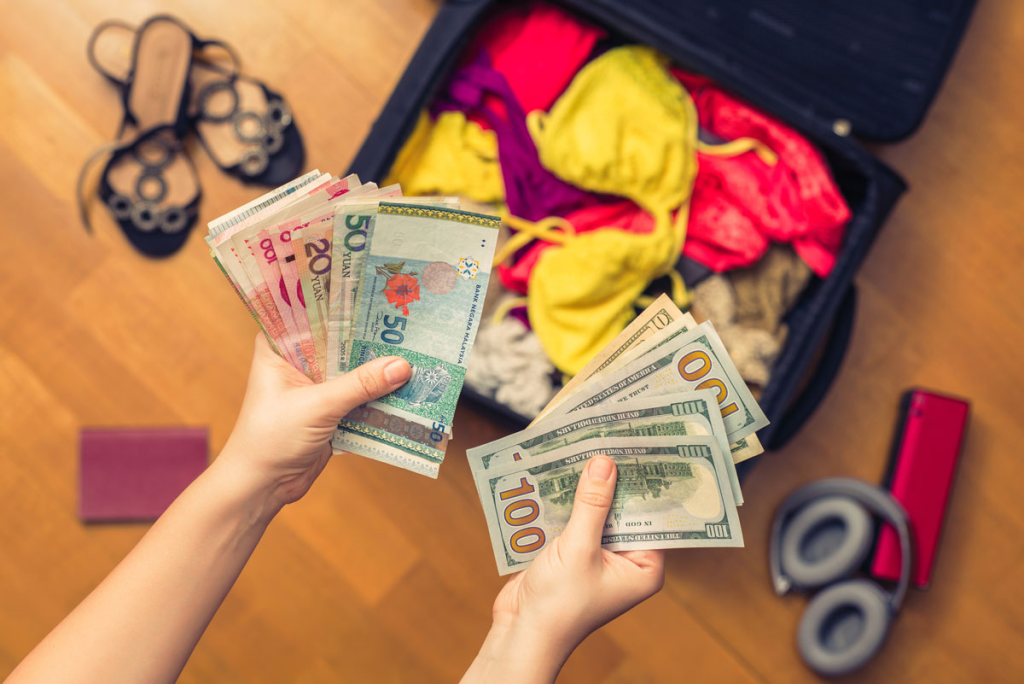
Food is another area where smart choices matter. Eating exclusively at tourist-oriented restaurants can quickly increase daily expenses. Local markets, neighborhood cafés, bakeries, and regional eateries can provide memorable meals at more reasonable prices.
For longer trips, consider accommodations with kitchen facilities if practical. Preparing some meals yourself can reduce expenses without eliminating the experience of trying local food.
Responsible Travel in 2026
Responsible tourism is increasingly important as popular destinations manage environmental pressure and visitor numbers. Travelers can contribute by respecting local customs, reducing unnecessary waste, avoiding damage to natural areas, and supporting locally owned businesses.
Choose reusable products where practical, follow marked trails, avoid disturbing wildlife, and respect photography restrictions. When visiting culturally significant places, dress appropriately and follow local rules.
Nationalcricketteamtimeline.org is an example of a specialized name centered on a particular subject. In travel planning, specialization can also be valuable: researching a destination’s environmental rules, cultural traditions, and local communities can lead to a more respectful and rewarding experience.
Travel Safety Essentials
Safety begins with preparation. Before leaving, learn basic information about your destination, including local laws, transportation systems, weather risks, and emergency procedures.
Avoid carrying all your cash and important documents in one place. Use secure bags in crowded areas and remain aware of your surroundings. If traveling alone, share your basic itinerary with someone you trust and check in periodically.
For outdoor activities, take weather warnings and local guidance seriously. Adventure should never mean ignoring conditions or using equipment beyond your experience level.
Travel insurance can also be valuable, particularly for international journeys or trips involving expensive bookings and activities. Review the coverage carefully rather than assuming every situation is automatically included.
Using Technology Without Losing the Travel Experience
Technology can simplify modern travel. Digital maps, translation tools, booking applications, electronic tickets, weather services, and currency tools can make unfamiliar destinations easier to navigate.
However, travelers should avoid depending entirely on internet access. Download important maps and confirmations when possible, keep essential information available offline, and carry a suitable power bank.
At the same time, technology should not dominate the trip. Put the phone away occasionally and experience the destination directly. Some of the most memorable moments happen when travelers stop documenting everything and simply pay attention.
Wutawhelpadvice.org highlights another lesson relevant to modern travelers: useful information is most valuable when it solves a specific problem. Apply the same approach to travel research by finding practical information about transportation, weather, costs, local customs, and activities instead of relying solely on attractive photographs.
A Simple 2026 Travel Planning Formula
A practical approach is to divide your planning into five stages:
- Choose the purpose — Decide whether the trip is for relaxation, adventure, culture, family time, work, or exploration.
- Select the destination — Compare climate, cost, accessibility, safety, and available experiences.
- Create the budget — Include transportation, accommodation, food, activities, insurance, and emergency funds.
- Build the itinerary — Schedule essential experiences while keeping enough free time.
- Prepare for departure — Check documents, reservations, weather, luggage, connectivity, and local requirements.
This method keeps planning organized without making the trip unnecessarily complicated.
Conclusion: Make Travel in 2026 More Meaningful
The best Travel Guide 2026 is not simply a list of destinations. It is a framework for making better decisions before and during the journey. Travelers have more tools, information, transportation options, and inspiration than ever, but having more choices also makes thoughtful planning increasingly important.
Choose experiences that genuinely interest you, match the destination to your budget and available time, leave room for spontaneity, and respect the places and communities you visit. Whether you prefer a quiet weekend escape, a cultural journey, an adventurous expedition, or a long international vacation, the goal should be the same: return home with meaningful memories rather than simply a completed checklist.
In 2026, travel is increasingly about why you go, how you experience a place, and what you bring back from the journey. Plan intelligently, travel responsibly, and give yourself enough time to enjoy the destination rather than simply pass through it.